The European-Ukrainian Energy Agency (EUEA) jointly with Energy Efficient Cities of Ukraine (EECU) have commenced the implementation of the SMARTER4EU grant project, funded by the European Commission. This initiative builds upon the achievements of the SMARTER Finance for Families (SFFF) project, which successfully expanded Green Homes & Green Mortgage (GHGM) programs across 12 European countries with the support of the European Commission’s Horizon 2020 program.
At the core of the SMARTER4EU project lies the concept of combining low-cost, credible green certification with a verified high standard of energy performance in homes. By incentivizing homeowners with a discounted green mortgage from partnering banks, this initiative effectively encourages the adoption of sustainable practices. To provide comprehensive guidance for residential investors and developers, the project offers the “Green Homes & Green Mortgages: Toolkit for Residential Investors & Developers,” featuring an illustrative example provided by the Romania Green Building Council (RoGBC).
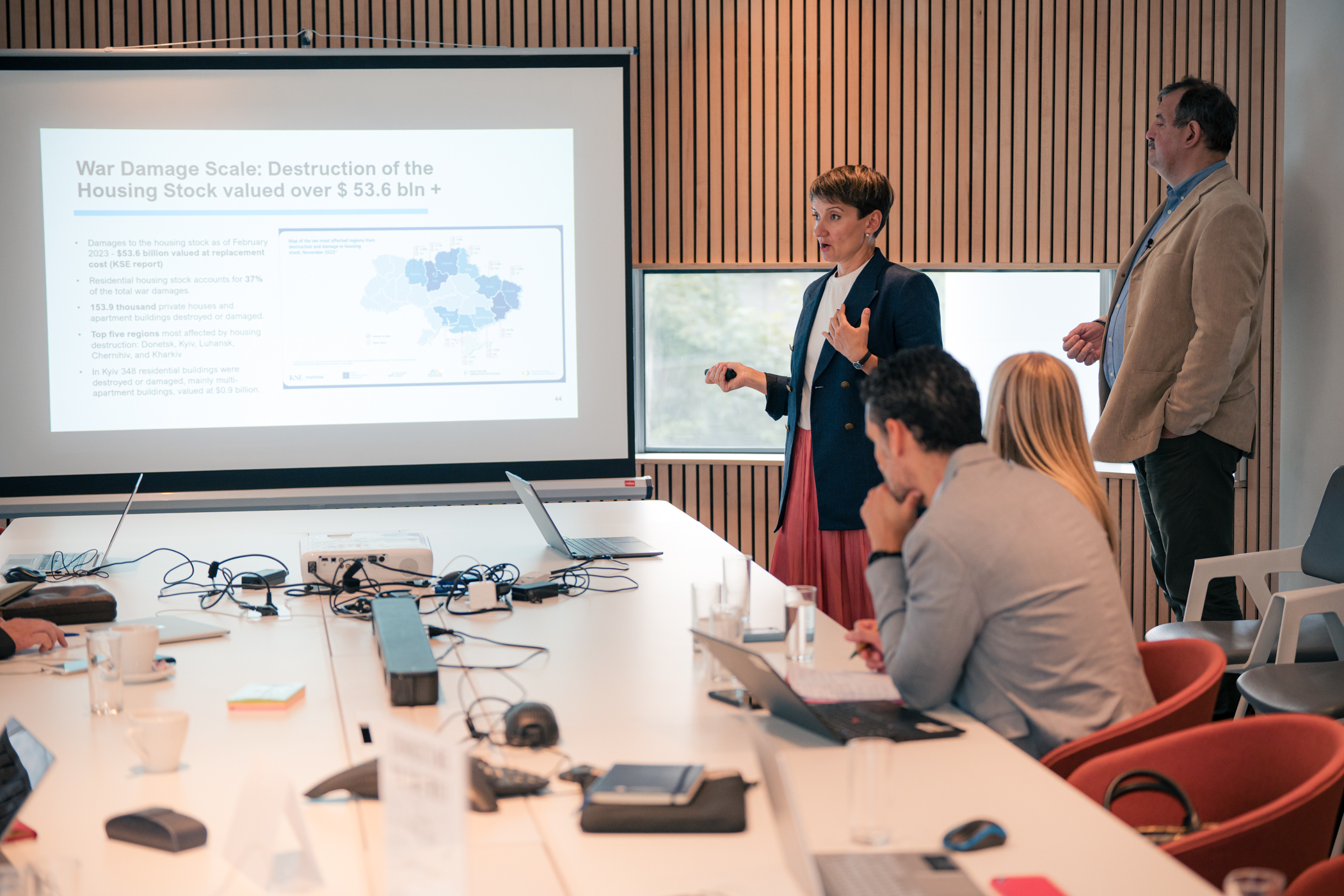
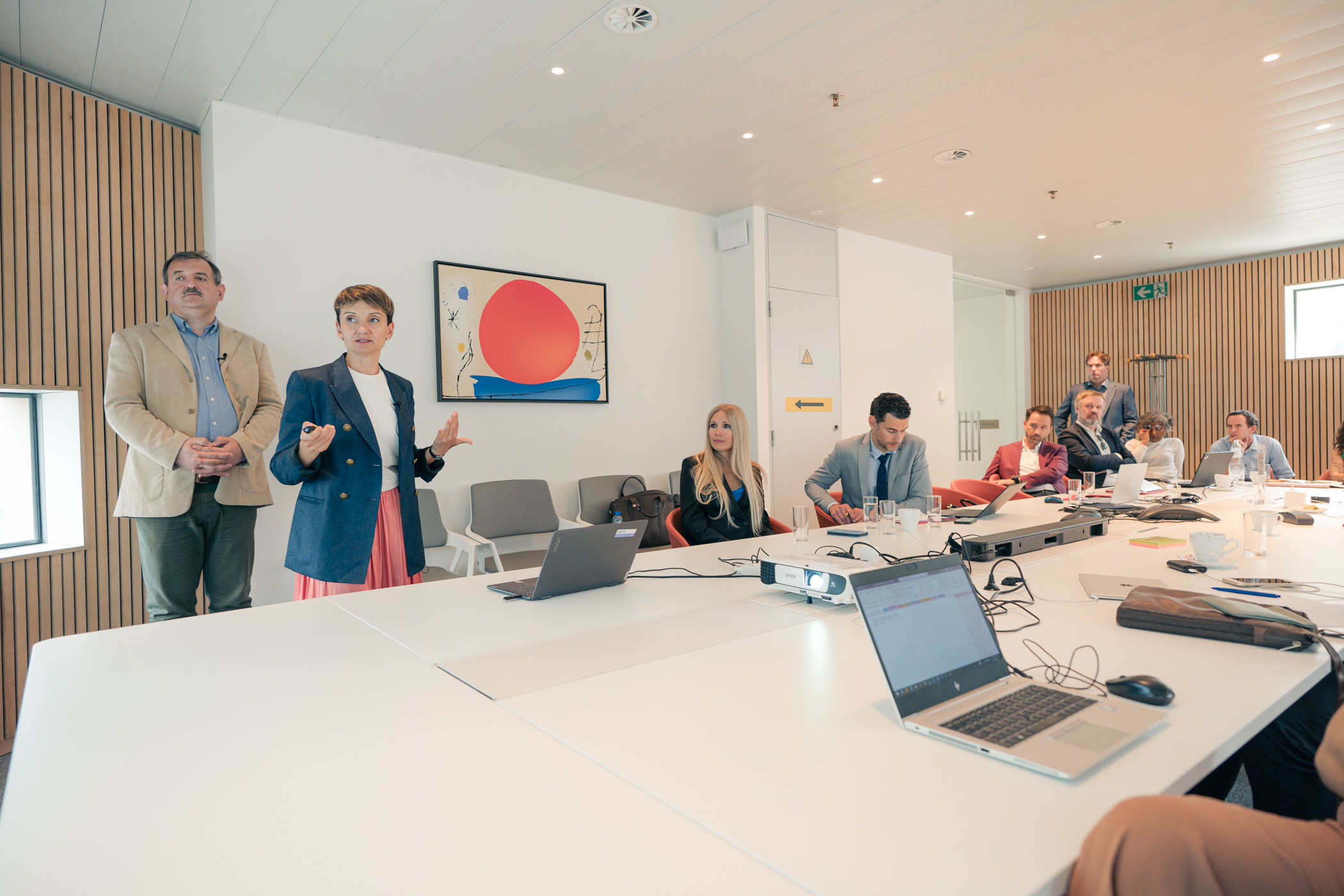
During the kick-off meeting held on June 19-20 in Brussels EUEA Director Kateryna Polyakova and EECU Executive Director Sviatoslav Pavliuk presented the current challenges and needs that Ukraine is facing as it is planning to rebuild after the full-scale invasion of the Russian Federation. The topic of their intervention was “Energy Security and Rebuilding of Ukraine Towards a European Clean Energy Future.”
Ukraine’s residential buildings sector faces a critical situation, with 85% of buildings dating back to the pre-1991 era of the USSR. The implications of this outdated infrastructure are evident in the alarming energy consumption figures. Before February 24, 2022, the average energy consumption in Ukraine’s residential sector stood at 186 kWh/m2, which was 2-3 times higher than the energy standards observed in EU countries.
Moreover, the damages caused by the Russian war against Ukraine have gravely affected the housing stock, reaching an estimated $53.6 billion in replacement costs according to the KSE report. Residential housing accounts for 37% of the total war damages (registered as of March 2023), disproportionately impacting regions like Donetsk, Kyiv, Luhansk, Chernihiv, and Kharkiv. In light of these challenges, the project aims to address the pressing needs of residents, construction companies, and the state and promote energy-efficient reconstruction.
For residents, the project seeks to enhance access to social housing and loans for apartment purchases. It also aims to promote the construction of new housing in less affected regions while rebuilding settlements in war-affected areas. Furthermore, the availability of affordable mortgage programs and energy-efficient homes are crucial to reduce energy costs and facilitate mortgage payments.
For construction companies, the project seeks to create lending instruments to finance the construction of multi-apartment residential buildings that comply with “green” standards.
At the state level, efforts are directed toward solving the housing crisis faced by those who have lost their homes due to the war or intend to relocate.
The SMARTER4EU project has strong potential to implement valuable tools for Ukraine’s green rebuilding efforts said Kateryna Polyakova during the kick-off meeting in Brussels. By scaling up successful green housing certification and green finance mechanisms, it aims to enhance energy security, mitigate energy poverty, and drive sustainable development. Through comprehensive awareness campaigns, stakeholders will gain valuable insights into the benefits of energy-efficient systems. By prioritizing climate change mitigation in new construction, SMARTER4EU aims to minimize environmental impacts and lay the foundation for a greener future in Ukraine.