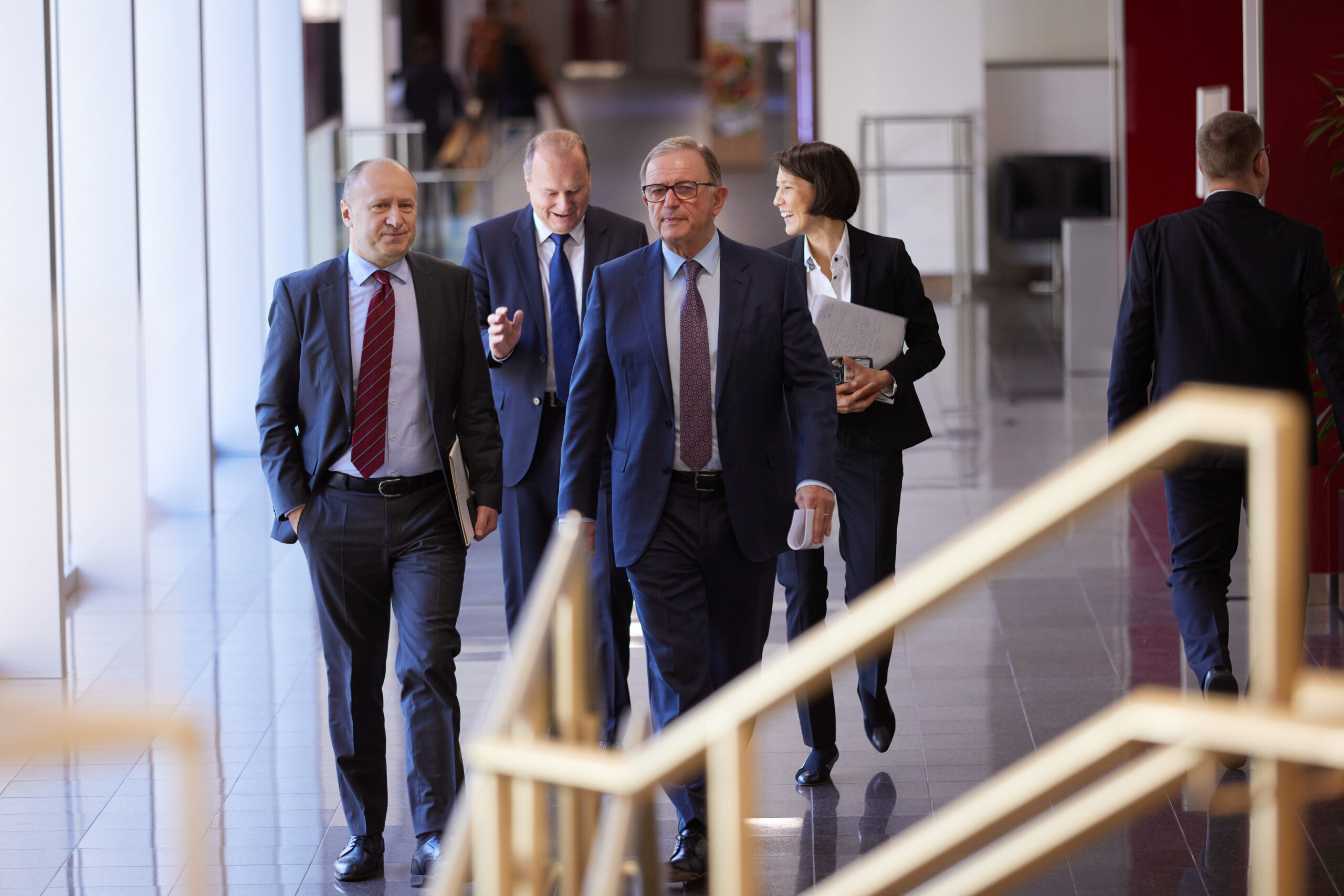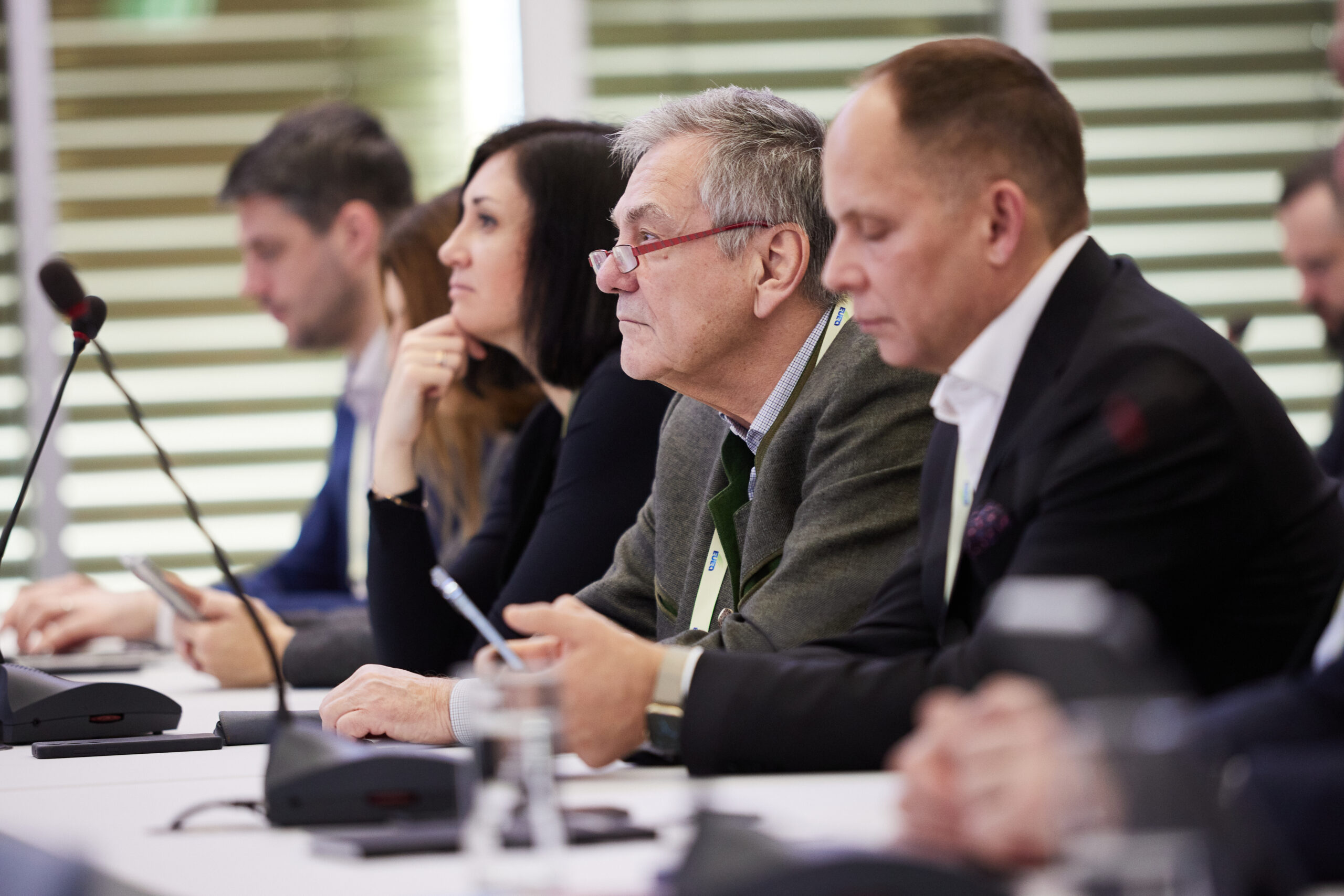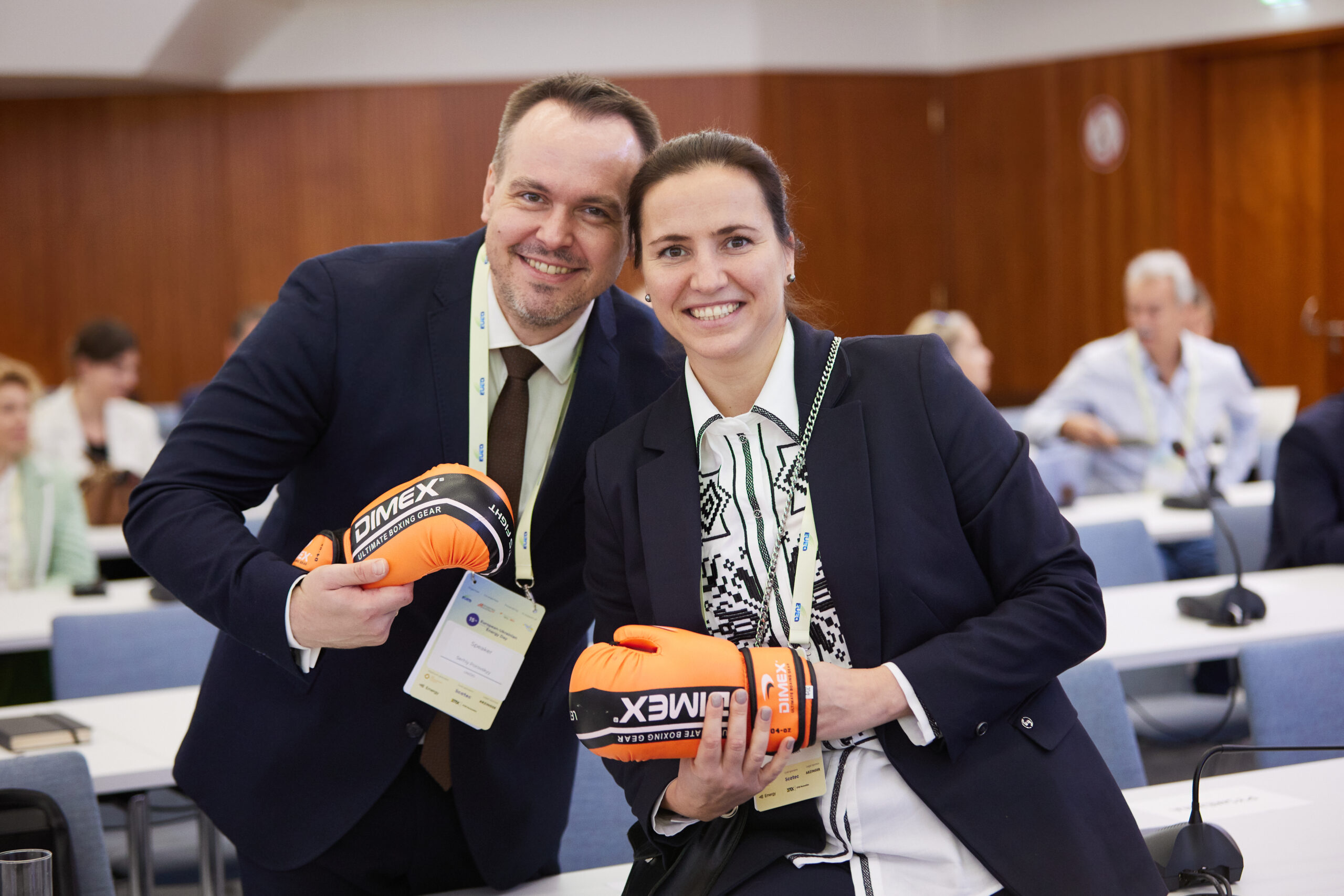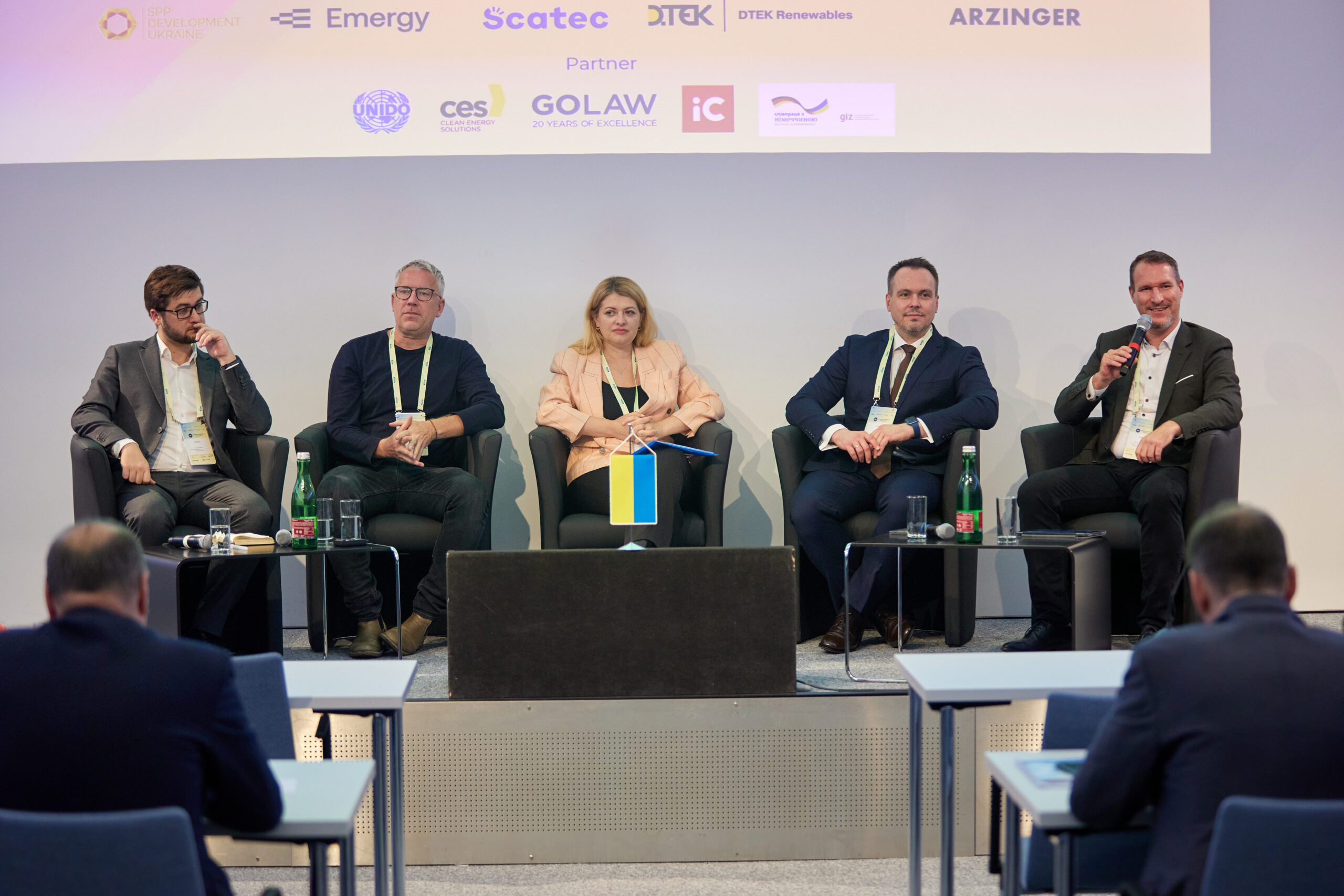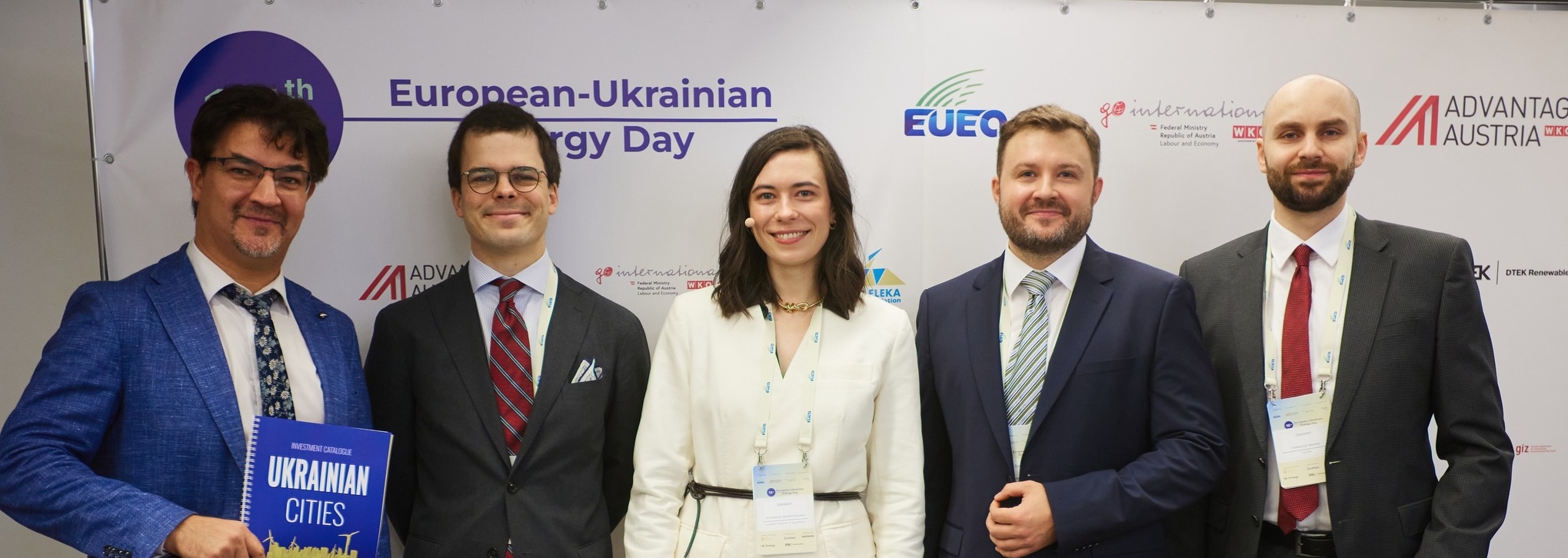
On October 29, Vienna hosted the 15th European-Ukrainian Energy Day, bringing together over 150 participants to discuss critical topics surrounding the restoration of Ukraine’s energy infrastructure. The central theme of the event focused on balancing speed and quality in the recovery process.
Karlheinz Kopf, Secretary General of the Austrian Federal Economic Chamber, opened the event by emphasizing:
“The path to a sustainable energy future requires innovation, collaboration, and investment—areas where Austrian companies are ready to contribute. Ukraine’s energy infrastructure must be rebuilt faster and better than before.”
Ukraine’s Ambassador to Austria, Vasyl Khymynets, highlighted:
“Today, we don’t have the luxury of choosing between ‘better’ or ‘faster.’ We must achieve both: building better and faster. Ukraine’s successful recovery will become a success story for the European Union as well.”
Mats Lundin, Chairman of the European-Ukrainian Energy Agency (EUEA), stated:
“Post-war Ukraine will need more energy and sustainable solutions. We must join forces to bring these changes to life.”
During the opening panel, participants reflected on lessons learned during nearly three years of full-scale war. Deputy Minister for Communities and Territories, Vasyl Shkuratov, stressed the urgent need for decentralizing energy supply and reaffirmed the Ministry’s readiness to be a reliable partner for donors.
Addressing the financial tools necessary for sustainable recovery, the event welcomed Charles de Crombrugghe, a representative of the European Commission, who presented the Ukraine Facility, a unique mechanism that already supports Ukraine with international funding, private investment, and technical assistance.
Parallel discussion panels provided participants and speakers an opportunity to delve deeper into topics like energy efficiency, infrastructure reconstruction, and the state of renewable energy.
The first session covered infrastructure recovery projects. Representatives from NEFCO and GIZ shared their experience in building housing for internally displaced persons (IDPs) and modernizing infrastructure, emphasizing the importance of innovative technologies and effective management.
“Ukraine’s recovery is impossible without a comprehensive approach,” said Yuliia Shevchuk, Chief Investment Adviser at NEFCO.
The second session addressed opportunities and challenges in rebuilding according to the “Building Back Better” principle. Discussions included NZEB (Nearly Zero Energy Building) standards, ways to reduce initial costs for energy-efficient modernization, and empowering municipalities in reconstruction efforts through financial tools like green mortgages and loan guarantee funds. Successful projects in Bucha, Zhytomyr, and Trostianets were showcased as models for scaling up.
Sessions on renewable energy and energy project financing underscored the importance of long-term planning for rebuilding the energy sector and expanding tools to mitigate investment risks. A key initiative discussed was the creation of a Market Risk Insurance Fund, a project being developed by EUEA in collaboration with the Ukrainian Wind Energy Association.
During a debate between Olena Rybak and Serhii Porovskyi on the approaches of “building better” versus “building faster,” it became clear that successful recovery requires a combination of both approaches — rapid decisions paired with long-term planning. Thorsten Wöllert summarized:
“A solid plan ensures quick implementation, but without knowing what to do, you’ll never build well enough.”
The event underscored the importance of collaboration between government, business, and international partners. Ukraine has the potential to become a leader in renewable energy development and a pioneer in implementing innovations for sustainable growth.
We extend our gratitude to all participants, speakers, partners, and sponsors who supported EUEA and joined the milestone 15th European-Ukrainian Energy Day.
Your support is an integral part of our shared success.